Table of Contents
Walking Meditation: The Complete Guide
Complete Guide to Finding Stillness in Movement
We move constantly but rarely arrive anywhere. Our bodies walk through rooms while our minds sprint through to-do lists, our feet carrying us forward as our thoughts race backward through yesterday's conversations and forward into tomorrow's worries. We are perpetual motion machines, yet stillness feels like a distant country we can not locate on any map.
What if I told you there is a practice that bridges this fundamental divide? A way to move through the world while being completely at rest within yourself? This is the gentle, revolutionary art of walking meditation, an ancient mindfulness practice that transforms an ordinary walk into a pathway to profound peace.
Unlike seated meditation, where we seek stillness through immobility, walking meditation reveals how stillness can coexist with movement. It teaches us that we do not need to stop moving to find calm; we simply need to move with awareness. In this comprehensive guide, we'll delve into everything from the philosophical foundations to the practical steps of this transformative practice. Whether you are completely new to meditation or looking to deepen your existing practice, this guide will show you how to turn your daily walks into sacred journeys back to yourself.
If you are new to mindfulness, you may want to start with our Beginner's Guide to Meditation for foundational concepts that apply to all mindfulness practices.
What Is Walking Meditation? Arriving With Every Step.
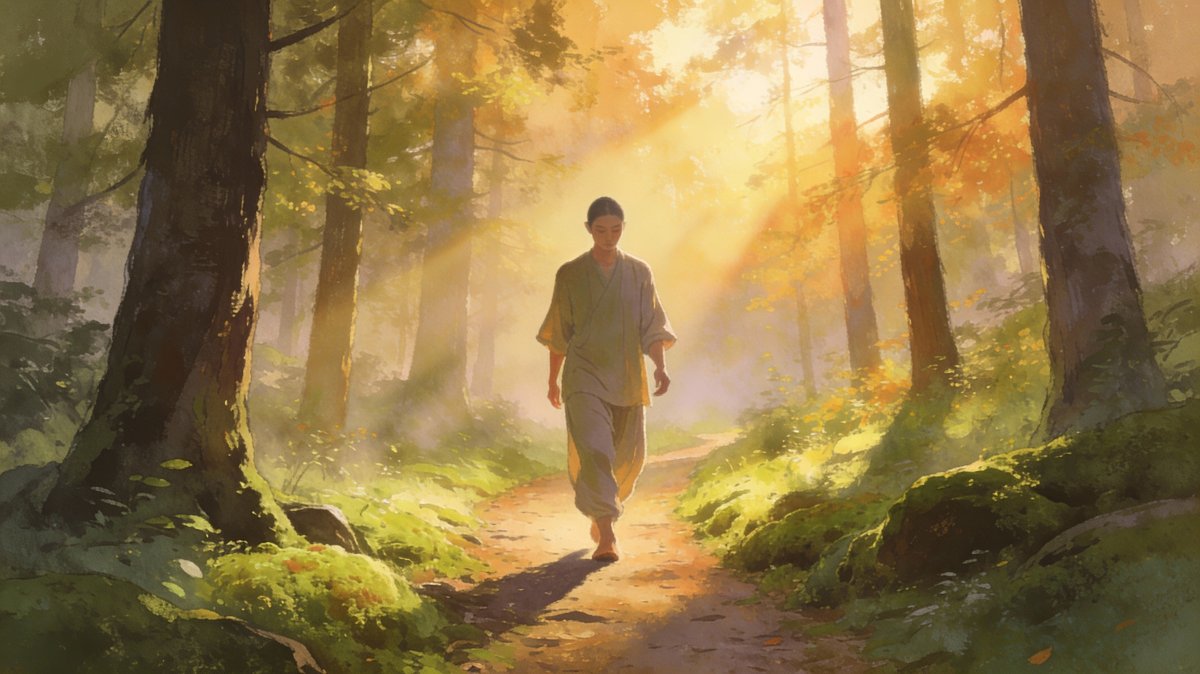
Walking meditation is a formal mindfulness practice with roots in Buddhist tradition. While often associated with Zen Buddhism and beautifully articulated by teachers like Thich Nhat Hanh, variations exist across contemplative traditions worldwide, from Theravāda forest monks pacing meditation paths to Christian pilgrims walking labyrinths.
At its essence, walking meditation is the practice of bringing full, non-judgmental awareness to the simple act of walking. It is meditation in motion. Where seated meditation asks us to find stillness in the body, walking meditation reveals the stillness that exists within movement itself. As Thich Nhat Hanh beautifully expressed, "Walking meditation is not a means to an end; it is an end. Each step is life; each step is peace and joy."
This contrasts sharply with how most of us walk through our days. Ordinary walking is typically goal-oriented; we are walking to somewhere, our attention focused on the destination rather than the journey. In mindfulness walking, the journey becomes the destination. Each step is both the method and the realization.
The beauty of this moving meditation lies in its accessibility. While some meditation forms can feel intimidating or physically challenging, walking is something nearly everyone can do. It meets us exactly where we are, literally and figuratively.
For those interested in exploring other contemplative paths, our guide to Different Meditation Types offers a broader perspective on finding what resonates with you.
The Surprising Benefits: More Than Just a Walk.
The rewards of this practice extend far beyond the spiritual. They touch every dimension of our being, physical, mental, and emotional, offering a holistic wellness practice that requires no special equipment, just your willing attention.
Physical Benefits: Grounding the Body
Walking meditation brings conscious awareness to how your body moves through space. This mindfulness naturally improves posture and body alignment by reducing habitual slouching or tension. The slow, deliberate pace enhances proprioception, your body's awareness of itself in space, while providing gentle exercise that improves circulation without strain.
Since comfort is key, I recommend supportive footwear if you are walking on harder surfaces. I personally love barefoot-style shoes for this practice; they provide just enough protection while maintaining that essential connection to the ground. My current favorites are the minimalist designs that let your feet move naturally.
Mental and Emotional Benefits: Quieting the Storm.
Modern research validates what contemplatives have known for millennia. Studies show that mindfulness walking significantly reduces symptoms of anxiety and depression, decreases rumination (that exhausting loop of repetitive negative thinking), and improves overall mood. One study published in Mental Health and Physical Activity found that participants who practiced walking meditation showed greater reductions in stress and improved mood compared to those who walked for exercise alone.
The mental clarity that emerges from this practice is perhaps its most immediate gift. By anchoring your attention in physical sensations, you create space from the chatter of the mind. Thoughts don't disappear, but they lose their urgency, their compulsive quality. You begin to relate to your thinking from a place of observation rather than identification.
Spiritual Benefits: Embodied Awareness.
This is where the practice transcends wellness and touches the sacred. Walking meditation embodies the spiritual principle of presence, the understanding that enlightenment or awakening is not found in some distant realm or future moment, but right here, in this step, this breath.
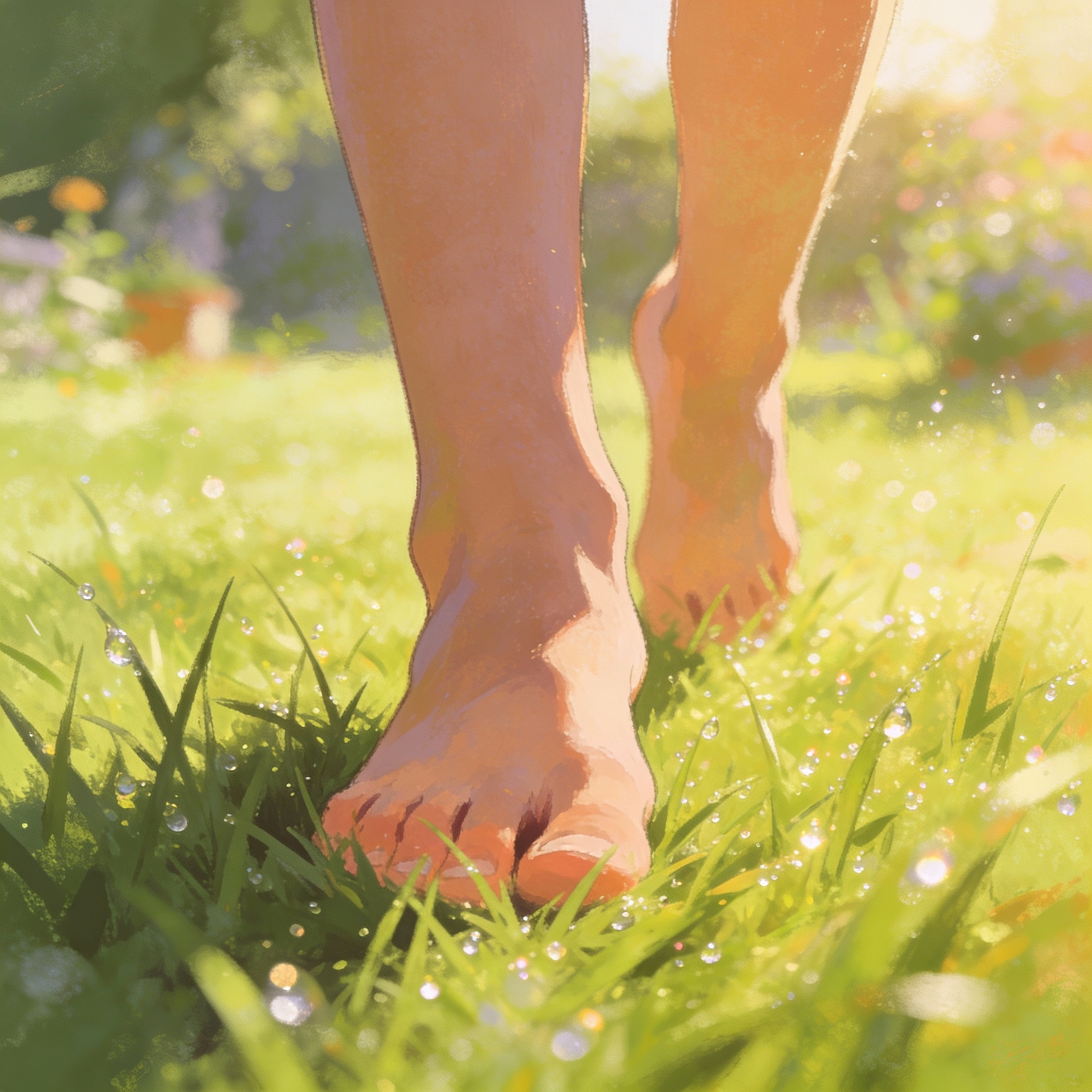
Thich Nhat Hanh called walking meditation "kissing the earth with your feet," a beautiful image that captures its reverential quality. Each mindful step becomes an act of gratitude, a homecoming to the present moment, a prayer expressed through movement rather than words.
For a deeper exploration of how mindfulness transforms our experience, our article on the Benefits of Mindfulness delves into the science and soul of present-moment awareness.
For guided trekking or hiking adventures, companies like Nepal Trekking Planner can help you explore the mountains safely and enjoyably.
Preparing for Your Practice: Setting the Stage for Presence.
One of the most beautiful aspects of walking meditation is its simplicity. You don't need a special place, expensive equipment, or large blocks of time. Yet a little thoughtful preparation can help create conditions conducive to depth and consistency.
Choosing Your Location.
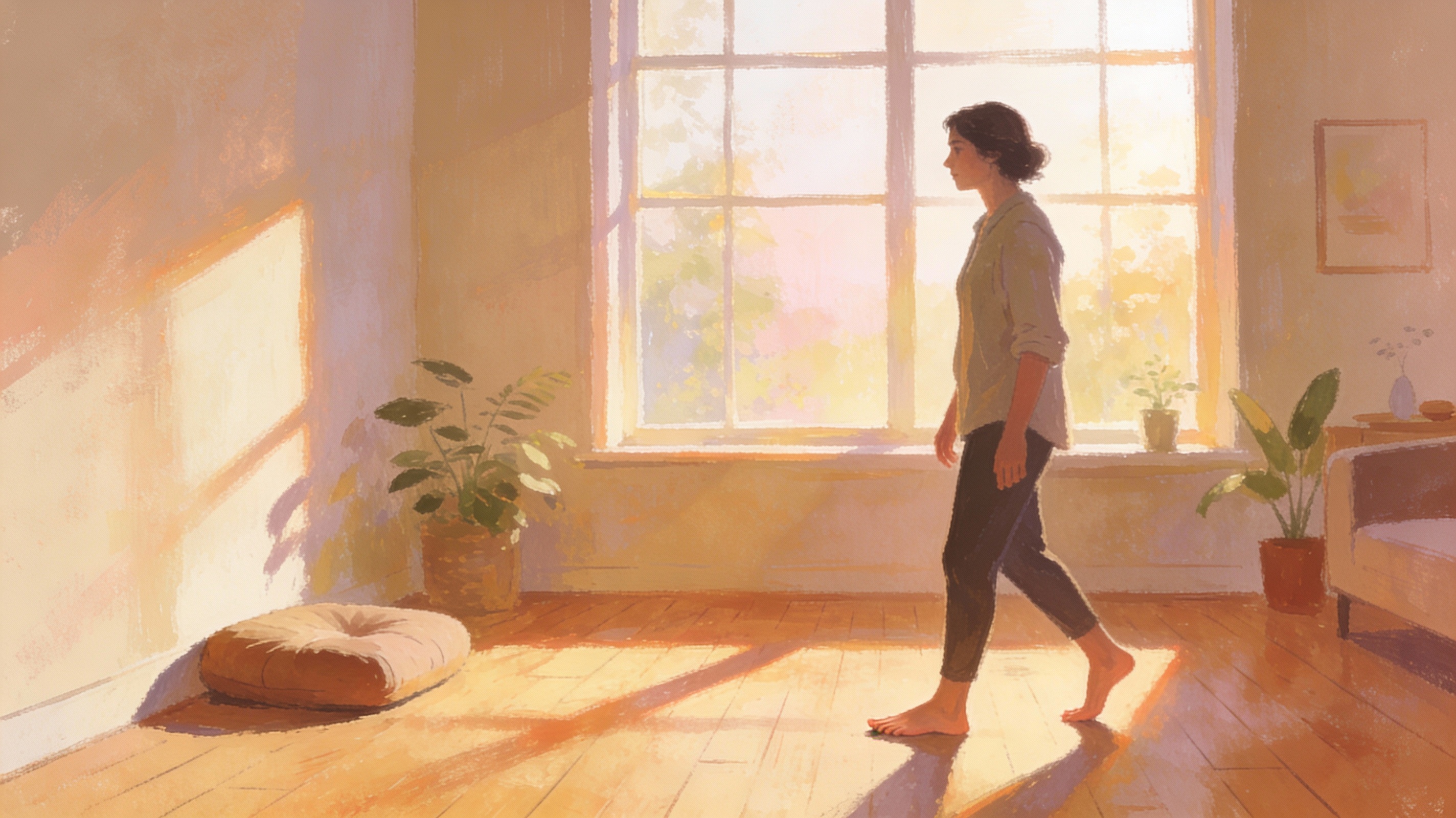
You can practice anywhere safe enough to walk slowly without obstruction. Beginners often find natural settings particularly supportive, a quiet park path, a deserted beach at sunrise, a forest trail. The sensory richness of nature naturally draws attention outward, then inward. But don't underestimate indoor spaces: a long hallway, a spacious living room, or even pacing a small circle can become sacred ground for practice.
Timing and Duration.
Start small. Ten minutes of fully present walking can be more transformative than an hour of distracted pacing. Many practitioners find early morning or evening particularly potent; the transitional light of dawn or dusk mirrors the inner transition you're cultivating. That said, any time you can carve out is the right time.
Clothing and Mindset.
Wear loose, comfortable clothing that allows free movement. The mindset is most important: approach this as an exploration rather than an achievement. Set an intention ("May I walk with awareness") rather than a goal ("I will empty my mind for 20 minutes"). This is about being with what is, not achieving a particular state.
For those who want to create a dedicated space for their seated practice as well, our guide to Creating a Home Meditation Space offers beautiful, practical ideas.
The Step-by-Step Guide: The Art of Walking Awake.
Let's walk through the practice together. Remember, these are not rigid rules but gentle guidelines. Let your own experience be your ultimate teacher.
1. Begin Standing Still
Find your starting point. Stand comfortably with feet hip-width apart, knees soft, spine naturally tall. Let your arms rest comfortably at your sides. Close your eyes if it feels safe, or lower your gaze. Take three deep breaths, feeling the ground beneath your feet. Notice the subtle adjustments your body makes to maintain balance. This standing awareness is the foundation.
2. Start Moving Slowly
When you feel ready, open your eyes if they were closed, maintaining a soft, downward gaze. Begin walking at a pace noticeably slower than your ordinary walk, perhaps half your normal speed. There is no "correct" speed; find what allows you to feel each component of the step distinctly.
3. Notice Each Phase of Movement
Bring curious attention to the miracle of walking. You might mentally note:
- Lifting: The intention to move, then the heel lifting, the foot rising
- Moving: The foot traveling through space, the shift of weight
- Placing: The gentle placement of the heel, then the sole
- Shifting: The transfer of weight to the forward foot as the back foot prepares to lift
You do not need to label constantly. The noting is just a tool to highlight the symphony of sensations usually played unnoticed.
4. Integrate Breath with Steps
Breathe naturally as you walk. You may find your steps and breath falling into a rhythm, like two steps per inhale and two per exhale. Don't force it, just let it happen naturally. This connection between your breath and steps can become a calming, steadying rhythm.
5. Handle Distractions with Grace
Your mind will wander. This is not failure; it is the practice. When you notice you've been carried away by thoughts, gently acknowledge, "Thinking," and return your attention to the sensations in your feet. Each return is a repetition of the most important spiritual exercise: coming home to the present.
6. Turning Around Mindfully
When you reach the end of your path (10-20 steps is plenty for beginners), do not jerk around. Stop completely. Feel both feet grounded. Take a breath. Then turn slowly, with the same mindful attention you gave to walking. Each part of the practice is the practice.
7. Closing Your Practice
When your time is complete, come to a final stop. Stand still again, placing a hand on your heart or belly. Feel the afterglow of awareness, the gentle rhythm of your breath and heartbeat. Thank yourself for this gift of presence.
Variations for Different Settings
Nature walks: Expand awareness to include sounds (birds, wind), smells (earth, flowers), and peripheral vision (light through leaves).
Indoor pacing: In confined spaces, counting steps (10 forward, 10 back) can help maintain focus.
Urban mindfulness: Even on busy streets, you can maintain inner awareness while navigating externally, feeling your feet, noticing your breath amidst the flow.
Common Challenges and Gentle Solutions
"My mind won't stop racing."
This is the most universal experience. Remember: meditation is not about stopping thoughts but changing your relationship to them. Each time you notice a distraction and return to your steps, you are strengthening your "attention muscle." The practice is in the returning, not in having a clear mind.
Physical discomfort or impatience.
Adjust your pace. Speed up slightly if slow walking feels frustrating; slow down if you are rushing. Check for tension in your shoulders, jaw, or hands. Let them soften. If discomfort persists, it is perfectly wise to stop, stretch gently, then continue.
Self-consciousness when practicing in public.
Most people won't notice, and if they do, they will likely assume you are simply walking slowly. A slight, soft smile can ease your own tension and signal peaceful intent. Remember: their potential judgment is their business; your peace is yours.
"Am I doing this right?"
If you are walking with awareness, you are doing it right. There is no perfect experience to achieve. Some days your attention will feel sharp and clear; other days it will feel scattered. Both are valid experiences. The practice is showing up for whatever arises.
For more support with common mindfulness obstacles, our resource on Overcoming Meditation Obstacles offers additional perspectives and encouragement.
Integrating Walking Meditation into Daily Life
The true magic happens when mindfulness walking ceases to be a "practice" and begins to color how you move through your entire life. Here's how to weave this awareness into your ordinary days:
Transform your commute. Whether walking to your car, the train, or your home office, let the first twenty steps be a walking mindfulness practice. Feel your feet. Notice your breath. Arrive before you arrive.
Create mindful transitions. Use short walking meditations as buffers between activities, after work, before entering home, between tasks, and after a difficult conversation. These become psychological and spiritual airlocks.
Practice while doing chores. Walking to get the mail, moving through the grocery aisle, pacing while waiting, each can become an opportunity for micro-meditations.
Adopt walking meetings. When possible, suggest "walk-and-talk" meetings. The side-by-side orientation and gentle movement often foster more creative, honest conversation than face-to-face seated meetings.
The consistency of returning to awareness matters far more than the duration of any single session. As we explore in Mindfulness in Daily Activities, the entire day becomes our meditation hall.
Advanced Practices and Variations
Once the basic practice feels familiar, you might explore these beautiful variations, not as "better" ways, but as different flavors of the same mindful awareness.
Labyrinth Walking: Unlike mazes designed to confuse, labyrinths are single-path circuits leading to a center and back out. Walking them becomes a powerful metaphor for the spiritual journey, sometimes feeling far from the center while being on the exact right path.
Loving-Kindness (Metta) Walking: With each step, offer phrases of goodwill. One step: "May I be safe." Next step: "May I be peaceful." Then extend to others: "May you be happy." Your movement becomes an embodied prayer.
Mantra or Affirmation Walking: Synchronize a meaningful word or phrase with your steps. "I am here" or simply "Thank you" can deepen the contemplative quality.
Fast-Paced Mindful Walking: Practice maintaining awareness at your normal or even brisk walking pace. This trains mindfulness for active life situations.
Journaling Integration: After your walk, spend five minutes writing in a dedicated journal. Note physical sensations, emotional tones, insights, or just the experience of being present. I found that keeping a simple, beautiful notebook specifically for this purpose, like this one I use, honors the practice and deepens reflection.
Frequently Asked Questions
Q: How is walking meditation different from just taking a walk?
A: While both are valuable, ordinary walking is usually destination-focused with attention scattered. Walking meditation is process-focused, with sustained attention on the sensations and experience of walking itself.
Q: Can I listen to music or guided meditations while practicing?
A: Start by practicing in a quiet place. This helps you tune into your own experience. Later, you can try soft background sounds or guided meditations. If you listen to a guide, wireless earbuds, or headphones with great natural sound help you move freely without getting tangled.
Q: How long should I practice each day?
A: Start with 5-10 minutes. Consistency trumps duration. Even three mindful minutes daily creates transformation over time.
Q: Is walking meditation "better" than sitting meditation?
A: Neither is superior; they are complementary. Sitting cultivates deep stillness; walking cultivates stillness in motion. Many practitioners benefit from doing both.
Q: Can I practice if I have mobility limitations?
A: Absolutely. The essence is mindful awareness of movement. This could be adapted to wheelchair movement, gentle swaying, or even mindful awareness of breath if movement is not possible.
Try This Today: Your First Mindful Steps
Do not wait for the perfect time or place. Right now, or later today:
- Notice your next walk to another room.
- For just those ten or twenty steps, feel your feet making contact with the floor.
- Notice the shift of weight from one leg to the other.
- When you arrive, take one conscious breath.
Congratulations. You've just practiced walking meditation.
Conclusion: The Path Is Home
In a world that glorifies speed and multiplies distractions, walking meditation is a quiet rebellion. It declares that peace is not found by escaping movement, but by inhabiting it completely. That the sacred is not somewhere else, but right here, in this body, on this earth, with this breath.
The Vietnamese proverb says, "When you walk, just walk." Such simple advice, yet containing the essence of freedom. Each mindful step is a release from the prison of past regret and future anxiety. Each moment of feeling your heel touch earth is a homecoming to the only time and place life ever happens: now, here.
You don't need special training or dramatic life changes to begin. Just the next step you take. Let it be a step taken with awareness. Let it be a step toward yourself.
Start small. Start today. Walk not to get somewhere, but to remember that you are already here. The path, you will discover, is not just beneath your feet; it is within them. And with each mindful step, you are already home.
For continued inspiration on your mindfulness path, I will be sharing more resources, book recommendations, and guides right here in the future. To make sure you do not miss them, you can subscribe to updates. Together, we'll explore ways to deepen your practice and connect with stillness.


Comments (0)
No comments yet. Be the first to comment!
Leave a Comment