Table of Contents
Coming Home to Yourself: A 12-Minute Heart-Centered Practice for Real Peace
When the world gets too loud, your own heartbeat is the quietest, surest way back home.
The Heart That Doesn't Know How to Lie
Have you ever noticed how the mind can spin a thousand different stories? It replays old conversations, worries about things that haven't happened yet, and constantly compares your "behind-the-scenes" to everyone else's highlight reel. But beneath all that chatter, your heart just... knows.
It doesn't shout. It's more like a steady, quiet pulse beneath the noise of daily life.
I've spent years sitting with people who feel "stuck in their heads" or perpetually overwhelmed. Somewhere between the morning coffee and the endless stream of notifications, we've forgotten that we carry an original guidance system. It beats roughly 100,000 times every single day, whispering the truth through every chamber. It's the one part of us that never lies.
These days, we're navigating a world our nervous systems weren't really built for. We've reached a point where "unwinding" often just means more scrolling, and silence starts to feel uncomfortable. The gentle rhythm of our own lives gets drowned out by an endless feed of content.
This disconnection goes deep. We've been trained to live by logic, plans, and "what-ifs." That intuitive sense of alignment, the "yes" that rises before your brain can even process it, often gets dismissed as impractical or unreliable.
The disconnection runs deep. Modern life has trained us to live by head strategies, plans, analyses, and worst-case scenarios dressed up as preparedness. Heart intelligence, that felt sense of alignment, the "yes" that rises before logic catches up, got labeled woo-woo. Impractical. Unreliable.
But our bodies are asking for something else. Not another productivity hack or a new app, but something much simpler.
I've found that when I simply drop my attention into my heart, literally placing a hand on my chest and breathing, anxiety doesn't fight back. I don't have to analyze it or fix it. It just begins to soften. It's not just a nice idea; it's how our bodies are wired.
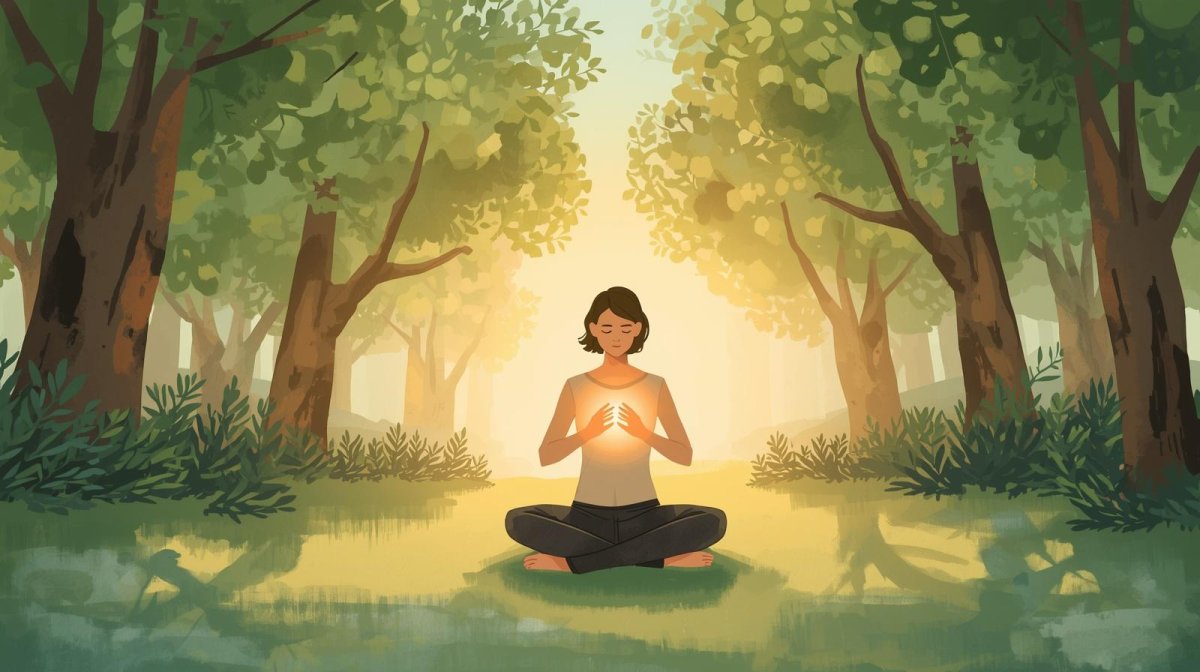
This 12-minute practice is about shifting from head-chatter to heart-wisdom. You don't need any special experience. You just need your own pulse and a few minutes to be fully present.
Your heart hasn't stopped guiding you; it's just been waiting for you to listen.
This practice pairs beautifully with Meditation to Comfort Your Younger Self; heart healing holds space for all the inner parts that have never felt held before.
Why This Works (The Science and the Soul)
Where Research Meets Ancient Truth
I remember being floored when I first learned this: your heart's electromagnetic field is actually thousands of times stronger than your brain's. It's not just a metaphor; it's measurable.
Decades of research show that when we find a "coherent" heart rhythm, our stress hormones drop and our vitality increases. This is your body shifting out of survival mode and into a state where it can actually thrive, all because you decided to pay attention to your center.
The heart communicates with the brain through four distinct pathways:
- Neurologically (via nerve impulses)
- Biochemically (via hormones)
- Biophysically (via pressure waves)
- Energetically (via electromagnetic fields)
When we practice heart-centered meditation, we aren't just indulging in wishful thinking. We are aligning ourselves with the physical reality of how our bodies function.
And science is finally confirming what wisdom traditions have known for thousands of years, that the heart is the seat of our deepest perception and compassion. Modern research has simply caught up to the ancient whisper of the soul.
Modern science has just caught up.

What the Heart Feels Like
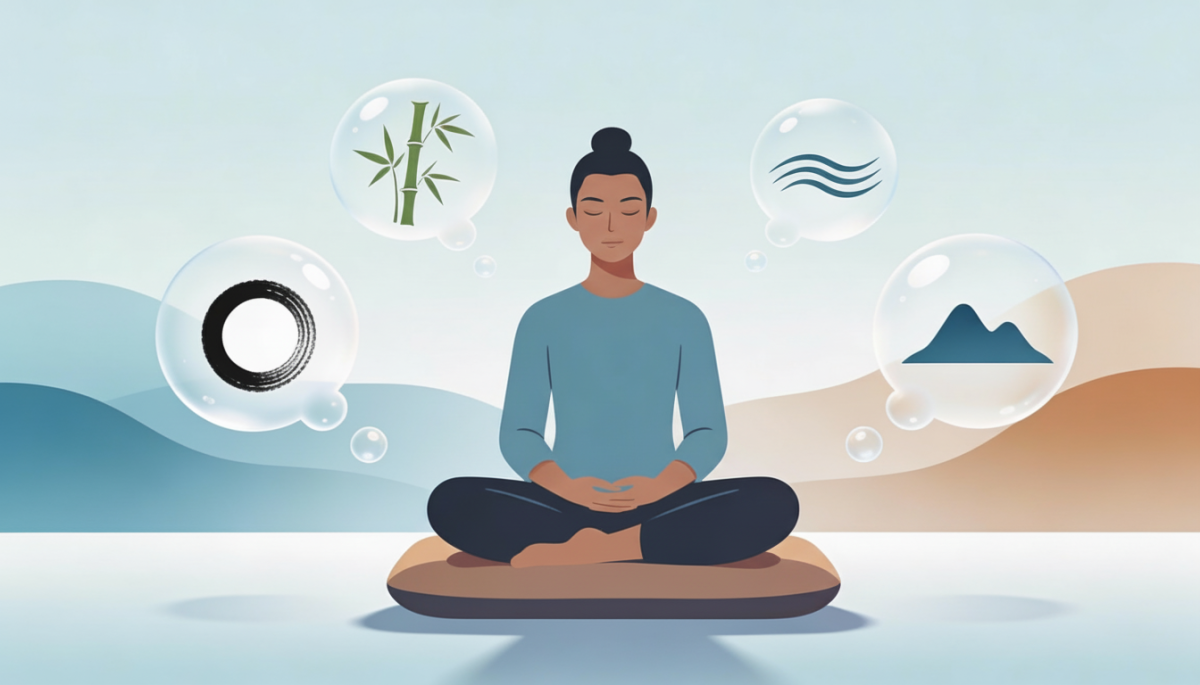
We all experience our heartspace differently, but after years of doing this, I've noticed a few common "languages" the heart speaks:
This practice isn't about forcing yourself to be calm. It's about offering your kind attention to the one place in you that already remembers what it feels like to be whole.
For a deeper somatic foundation, explore the Breath Awareness Guide.
Setting the Stage: Creating Your Own Sanctuary
You can do this anywhere, in a hospital waiting room or on a busy train, but when you can, try to create a little pocket of support for yourself. Preparing your space sends a powerful message to your nervous system: "You are important enough to care for."
Physical heart signals:
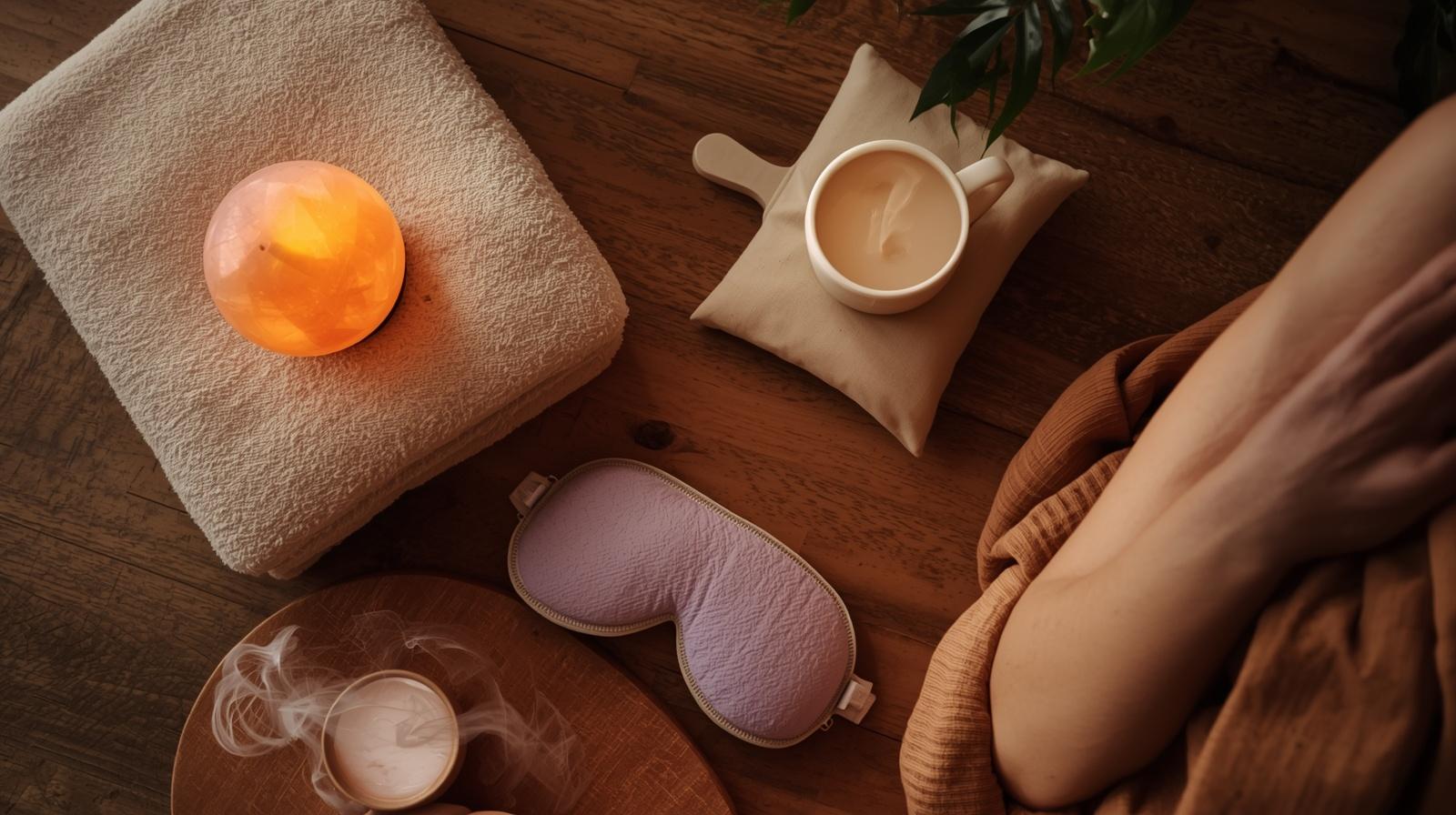
I place a weighted anxiety blanket across my chest during practice. The deep pressure stimulation activates the parasympathetic response, mimicking the feeling of being held. Your heart feels the weight and remembers: safety.
An organic lavender eye pillow blocks visual stimulus while the gentle pressure on orbital bones triggers the oculocardiac reflex, slowing heart rate naturally. Also, lavender. The olfactory nerve connects directly to the limbic system. Scent bypasses the thinking brain and speaks straight to emotional memory.
A Himalayan salt lamp on warm-glow setting mirrors the color your heart chakra resonates with. Amber light signals safety to ancient brain structures. It's not decoration. It's communication.
These are tools from my daily practice. Affiliate links support this work.
For these twelve minutes, try to make your phone the last thing on your mind. Turn it over, put it on silent, or leave it in the other room if you can.
Activate Do Not Disturb. Physically turn it over. Put it in another room if you're brave.
Pre-load Insight Timer heart sounds if external rhythm helps, but consider silence first. Your own heartbeat is the original mantra.
The 12-Minute Heart Practice
A Simple Guide to Returning to Center
I'll guide you through this now. If you're in a place where you can pause for twelve minutes, let's begin. If you're on the move, bookmark this for later. Your heart will be here when you're ready.
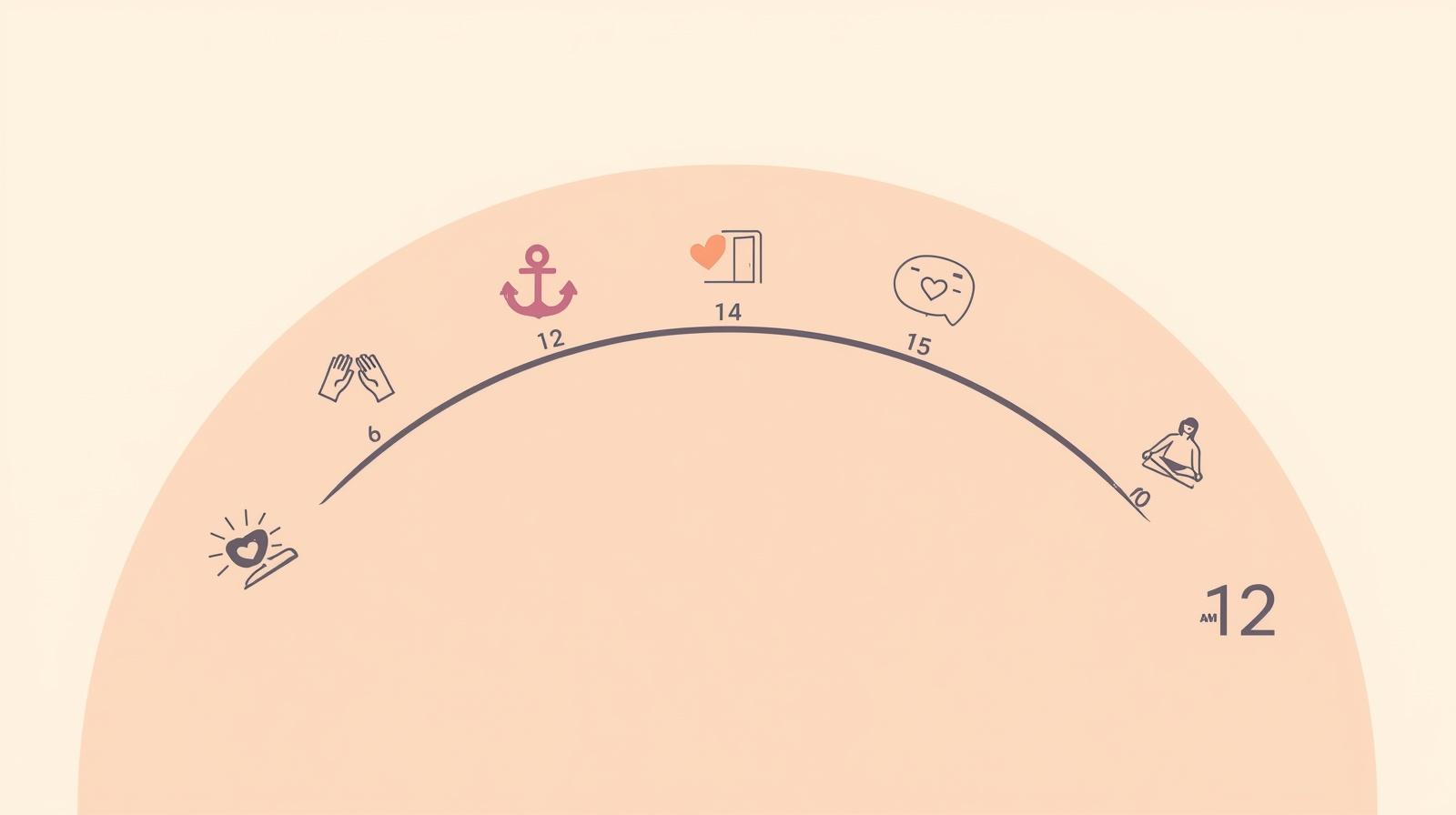
Phase 1: Nervous System Anchor (Minutes 1-3)
Minutes 1-3: Dropping Anchor
Find a comfortable seat and notice the surfaces that are holding you upright. Feel the chair, the floor, the earth. Let yourself be supported.
Place both hands over your heart, palms flat, one over the other. Let your shoulders drop.
Notice the gentle movement of your chest under your hands. You don't have to change anything about your breathing; just watch how the body knows exactly how to breathe for you.
When you're ready, try a few slow breaths: inhale deeply, hold for a moment, and let it out with a long, soft sigh. Notice your pulse. You don't need to "find" it perfectly; just feel the warmth and rhythm of being alive.
Notice your heartbeat under your palms. Maybe you feel it clearly. Perhaps you sense it as warmth, or pulse, or simply the rhythm of being alive. No need to find it. No need to change it. Just feel.
By placing your hands here, you're telling yourself: "I am here. I care. I'm not alone."
Phase 2: Opening the Door (Minutes 3-6)
Bring your focus inside your chest, right behind the breastbone.
Imagine a soft, warm light at your center. Don't worry about making it "perfect"; if a certain color feels right, go with that. If not, just stay with the feeling of warmth.
Let that warmth expand with every breath. If your mind starts to wander (and it will!), just gently bring your attention back to the physical sensation of your hands on your chest. There's no right or wrong way to do this; just keep coming back.
Your heart doesn't mind the wandering; it just keeps beating for you.
Phase 3: A Simple Dialogue (Minutes 6-9)
Now, invite your heart to speak. This might not be in words; it could be a shift in feeling, a memory, or just a sense of stillness.
Silently offer yourself these thoughts, or whatever feels true for you today:
- "I am safe to feel whatever is here, the joy, the grief, and everything in between."
- "My heart carries a wisdom that goes beyond logic."
- "I welcome both my tenderness and my strength."
- "I am already whole, exactly as I am."
Let those ideas land. See if you notice any change in how your body feels, a little more space, a little more warmth.
Phase 4: Radiating Outward (Minutes 9-11)
Let the warmth at your center grow until it fills your whole body, then imagine it gently expanding to fill the room, your home, and the world around you. You aren't trying to fix the world; you're just sharing the space of your own heart.
Phase 5: Coming Back (Minute 12)
Slowly bring your awareness back to your physical presence. Wiggle your fingers and toes. Open your eyes when you're ready.
Carry this feeling with you as you go about your day. Your heart will keep guiding you quietly; you've just reminded yourself how to listen.
What Happens Next
It's better to do five minutes every day than an hour once a week. After about three weeks of daily practice, many people find they start breathing more deeply without even thinking about it. Decisions become a little clearer because you're starting to trust that initial "gut feeling" or heart response again.
The Home You've Always Carried
I still remember the first time I committed to this. I'd spent years trying to "meditate away" my anxiety by watching my thoughts, but it wasn't until I actually connected with my heart that something truly shifted. My anxiety didn't just disappear because I fought it; it eased because I finally gave it a place to rest.
Your heart hasn't stopped guiding you. It's just been waiting for you to find the quiet space to hear it.
This practice is rooted in years of personal experience and somatic research. Your journey is uniquely yours. Trust what feels right for you, and always listen to your body.



Comments (0)
No comments yet. Be the first to comment!
Leave a Comment