Table of Contents
The Sacred Art of Being Alone (Without the Loneliness)
A practical guide to transforming solitude from emptiness to sacred space for self-discovery and emotional well-being.
Introduction: The Modern Silence
Do you ever touch your phone to fill a quiet moment? I've noticed that those pauses waiting for someone, driving, or waking up early, can feel empty now. This Silence is not restful anymore; it's just space we don't know what to do with, so we reach for a distraction.
Here is our modern mystery: We are the most hyper-connected generation in history, yet loneliness is whispered like an epidemic. Our pockets buzz with notifications, our screens glow with curated lives, and yet, a quiet ache of isolation persists for so many. We have confused being connected with being in communion. We have forgotten, or perhaps never learned, the profound difference between loneliness and solitude.
Loneliness is a painful feeling of absence. It is the heart's longing for connection that feels undone. It whispers, "I am alone, and this is wrong." Solitude, in clear difference, is a chosen state of presence. It is the mind's safe place, the soul's deep breath. It declares, "I am with myself, and this is sacred."
This is the sacred art: learning to be alone, truly alone, without a trace of loneliness. It is not about running away from the world, but about diving so deeply into your own being that you discover a sense of being refilled, real, and complete again.
Why Sacred Solitude Matters (and What It Offers You)
In a world that celebrates being busy and connected, choosing to be alone can feel like a pushback act. But it's not about losing something, it's about gaining something essential. Sacred solitude isn't running out of the world; it's returning to yourself. This practice, backed by both modern psychology and ancient wisdom, can truly change you.
1. Self-Discovery & Clarity
When you step away from the world of opinions, expectations, and digital noise, you finally hear the melody of your own soul. Solitude provides the blank page upon which your own thoughts, values, and desires can write themselves. As Psychology Today notes, time alone is crucial for integrating experiences and solidifying a sense of self.
2. Boosted Creativity & Problem-Solving
Your brain needs quiet time to make new connections. The best ideas don't usually come when you're busy or scrolling. They come when you're relaxed, like in the shower, on a walk, or just staring out a window. Being alone lets your mind wander and finally piece things together in new ways.
3. Emotional Regulation
Have you ever reacted in anger or anxiety, only to realize later it was about something else entirely? Solitude is the emotional settling tank. In private stillness, feelings can rise, be witnessed, and settle before they dictate your reactions.
4. Stronger, More Authentic Relationships
The more comfortable you are alone, the more authentically you can connect with others. You come to conversations not as half a person seeking completion, but as a whole person offering genuine connection.
5. Reduced Burnout & Energetic Renewal
For empaths, highly sensitive people, and introverts, quiet time alone isn't a treat. It's a basic need, like food or sleep. It's also important for everyone to recharge and avoid feeling empty from always being "on" for others.
How to Practice the Sacred Art of Being Alone: 7 Practical Steps
1. Reframe Your Mindset: From "Alone" to "With Myself."
Language creates reality. The sentence "I am alone" suggests a lack. Try: "I am with myself." This foundational rewiring shifts you from abandonment to intentional self-companionship.
2. Start Micro-Small: The 10-Minute Sanctuary
Start with a "Micro-Sanctuary." Tomorrow morning, drink your coffee for ten minutes without your phone. Or take a ten-minute walk without headphones. These tiny pockets of chosen silence are seeds from which mighty solitude grows.
3. Create Rituals, Not Escapes
- Weekly Journaling: A guided journal can help explore thoughts and spark ideas.
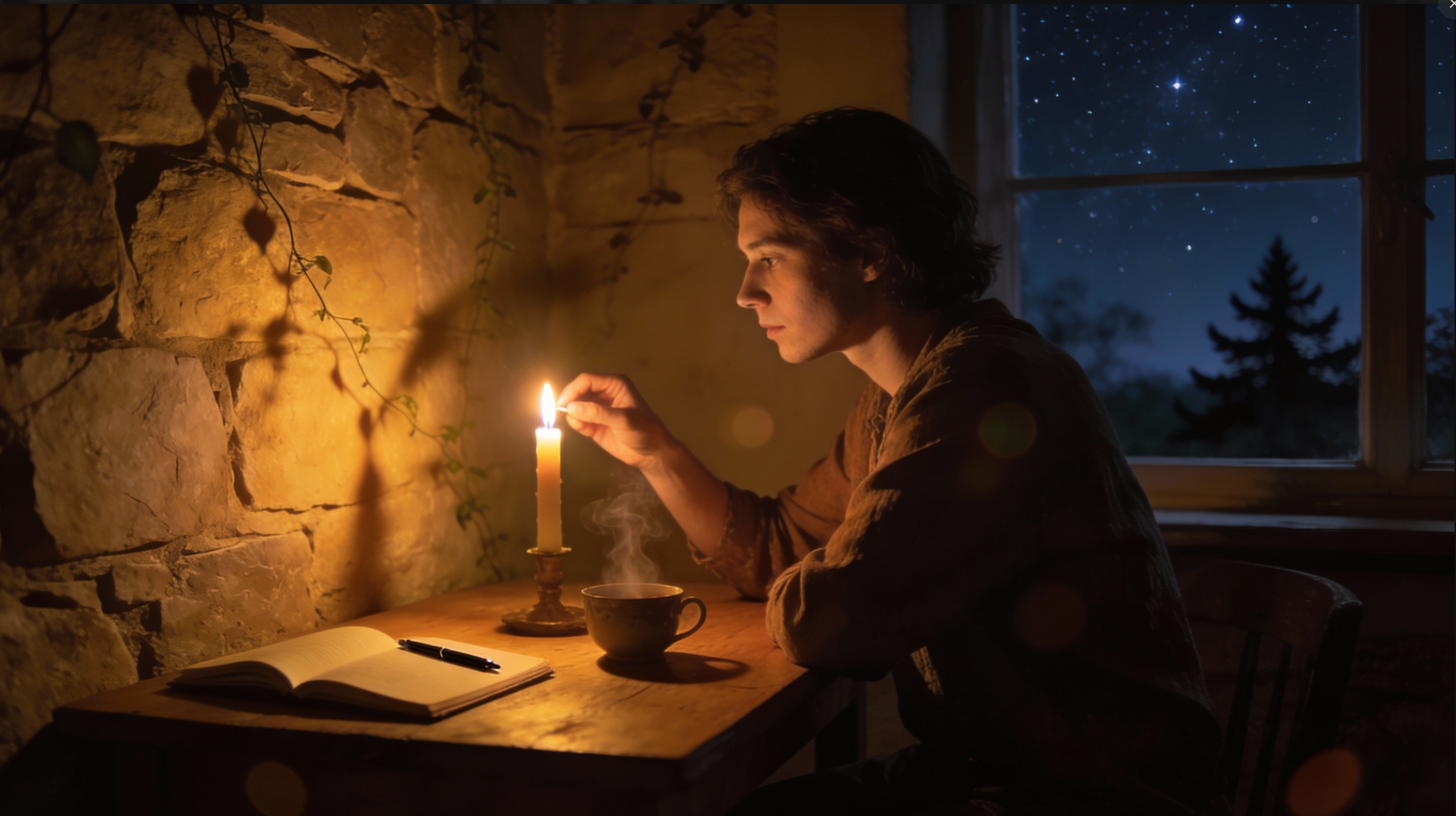
- Evening Candle-Lit Reflection: Light a scented meditation candle to mark your quiet time.
- The Artist's Date: Inspired by Julia Cameron's The Artist's Way.
4. Curate Your Inputs: The Sanctuary of Your Senses
Solitude is a space you fill on purpose. Instead of social media noise, try calming music, a good book, or nature sounds.
5. Engage in Flow Activities: Where Time Dissolves
Remember getting lost in drawing or building as a child? That state of "flow" is active aloneness. Try painting, writing, cooking, or gardening.
6. Mindfulness: The Anchor to the Present
When unease arises:
- Feel your breath
- Practice the 5-4-3-2-1 Grounding Technique
- Walk mindfully
7. Digital Solitude: Reclaiming Your Unmediated Experience
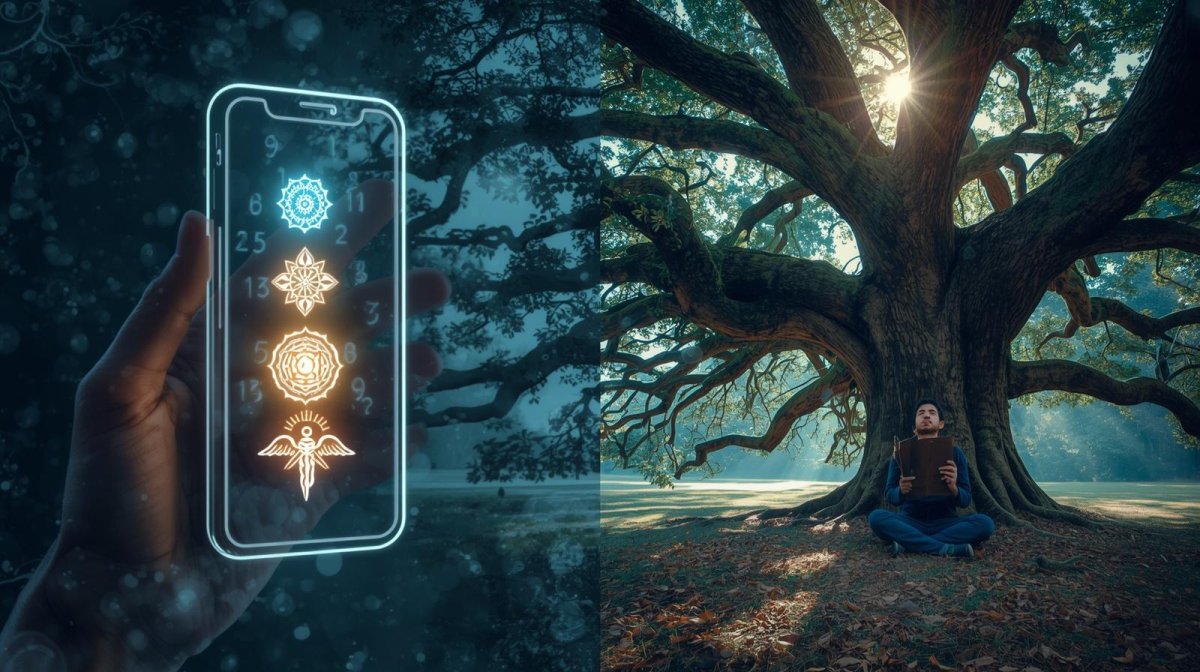
True solitude means being away from digital gadgets. Try a "digital sunset": turn off devices one hour before bed. Or pick one tech-free night weekly.
Facing the Discomfort of Solitude: Common Questions
"What if I feel bored or anxious?"
Welcome these feelings. Boredom is fertile ground for creativity. Anxiety in silence often means emotions need attention. Breathe with them.
"What about FOMO (Fear Of Missing Out)?"
The real "missing out" is on the relationship with yourself. When you feel settled alone, you engage with others from a place of fullness, not emptiness.
"I'm an outgoing person, can I still need alone time?"
Yes! Think of it as recharging your social battery in a different way. Your version might be a solo hike or sitting in a busy coffee shop, people-watching.
"When is being alone unhealthy?"
Good solitude feels like a choice and brings peace. If alone time feels dark, heavy, or full of negative self-talk, seek help from a therapist or through resources like Mindful.org or BetterHelp online therapy.
An Invitation to Stillness
The sacred art of being alone is the art of coming home. It's not about building walls against the world, but unlocking a deeper door within yourself.
This week, schedule your first official "Solitude Date." For one hour, commit to being gloriously, intentionally alone. Perhaps sit by a window with tea, take a notebook to the park, or walk in the woods.
Do not seek profound revelation. Seek only presence. Listen for the soft hum of your own aliveness.
In the quiet, you may just meet the version of yourself you've been searching for all along.
To deepen your practice, explore The Power of Morning Meditation to begin your days with centered calm.


Comments (0)
No comments yet. Be the first to comment!
Leave a Comment