Table of Contents
Surya Namaskar: 12 Spiritual & Physical Benefits of Sun Salutation
Step off the mat and dive deeper. Unpack Surya Namaskar piece by piece - see how it sharpens focus, strengthens movement, or eases stress. Learn what to try, what to skip, and ways to fit this age-old practice into your day without hassle.
Introduction: Greeting the Sun, Igniting the Soul
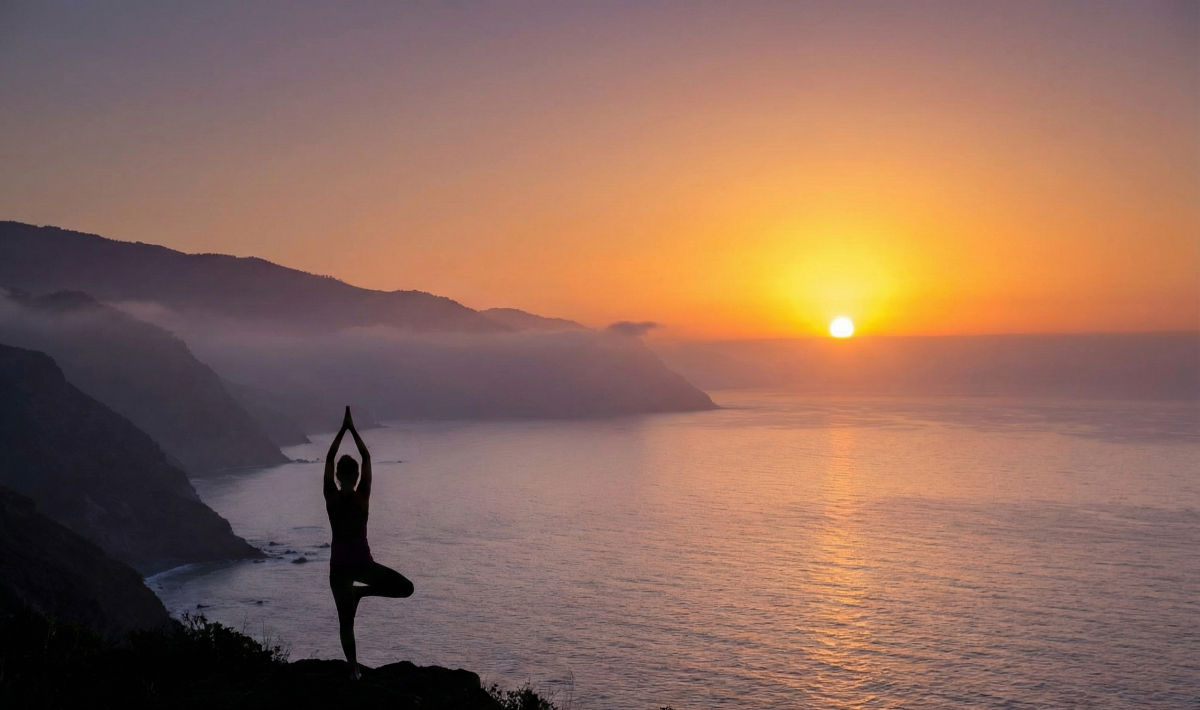
Picture this: dawn breaks, silence hangs in the air. Golden sunlight creeps above distant hills. You inhale slowly, then glide into 12 smooth moves, one after another. Not just exercise, but something deeper. A tradition passed down through generations. Each motion awakens energy within you. Called Surya Namaskar - or Sun Salutation - it starts long before words were written.
If you've always seen yoga as mere stretching, Surya Namaskar might surprise you. This flow hits hard - not only does it get your heart pumping, but it stretches every major muscle group. Breathing becomes part of the rhythm, turning motion into mindfulness. Instead of separate workouts, you get one smooth routine that ties strength, flexibility, focus, plus endurance together.
This guide covers all the basics: what makes it work, an easy breakdown of the 12 moves, and tips to begin your journey - whether you're new or already familiar.
Section 1: The Deeper Meaning - It's More Than Just Exercise
First up, think about what's really going on when you start moving. "Surya" means "sun", while "Namaskar" is more like a respectful hello. Yoga sees the sun as way more than some ball of fire in space - instead, it's tied to inner awareness, that spark inside us known as Prana or life force.
While doing Surya Namaskar, it's more than just a stretch. It's also about movement paired with breath.
We're thankful because the sun gives life to everything here. It powers plants, animals, even us - without it, nothing would grow or move. Every bit of warmth we feel comes from its rays hitting Earth day after day.
Balancing Your Energy Flow: This setup works on the two key pathways inside you - soothing moon-like energy (Ida), while stirring sun-driven force (Pingala). When these align, focus sharpens out of nowhere.
Linking poses to mantras: usually, every one of the 12 positions ties to a particular chant - a holy tone that sharpens attention, turning movement into something deeper than exercise.
Section 2: A Treasure Trove of Benefits - Reasons to Start Today
Here's what you get. We'll go over a dozen solid perks - some help your body, others boost your brain.
The Physical Perks:
A full-body move that builds strength: Skip separate moves. With Surya Namaskar, your core works together with arms, connects to the chest, flows into the legs - power built through motion.
Loosens up your body fast: this routine moves your spine in every direction, while opening tight spots in your legs, hips, and upper back.
Makes your heart stronger while moving - keeps blood flowing better since it pushes endurance naturally.
Aids in Weight Management: Speeding up your metabolism means doing a few sets of Sun Salutation might help you stay on track with your goals - especially when done regularly. It's not magic, just movement that adds up over time, lighting a fire under sluggish energy levels while gently shaping the body.
Boosts digestion: Gentle squeezing and relaxing your belly gives your gut an inner rub, which helps keep things running smoothly.
Gives You a Brighter-Looking Complexion: Better circulation plus sweat-based cleansing may help clear up your skin, making it glow more while also boosting hair health.
The Mental and Spiritual Gifts:
Slows down racing thoughts: matching motion with breathing works like active mindfulness - easing tension, quieting worries, while lifting low moods.
Energizes or calms whenever needed - this method can spark alertness fast, yet also slow things down when you want it to. The result depends on how you approach it.
Sticking to a routine every day - say, five minutes - sharpens focus while tuning you into how your body really feels. Doing it regularly toughens your mind, little by little, helping you notice subtle changes within yourself.
Mind meets body through breath - yoga's real core. Surya Namaskar ties them in motion, blending focus with flow.
Wakes up your energy spots - this flow sparks each of the seven main chakras, starting at the base and moving to the top, bringing a smooth vibe across your whole system.
Fosters a Sense of Gratitude: When you greet the morning sun, it helps grow appreciation - so your whole day feels lighter. Because beginning with that gesture shifts how you see things. While noticing light rise makes small joys clearer. Since gratitude isn't forced - it builds quietly. So each dawn becomes a quiet reset, as thanks grows without effort.
Section 3: Interactive Pose Guide - The 12 Steps of Surya Namaskar
Give it a go? This interactive guide breaks it down step by step. Keep in mind - your breathing leads the way!
Try it before eating. Dawn's best, though any time fits. Just grab a calm spot with your mat nearby.
1. Pranamasana (Prayer Pose)
Stand tall with feet together. Bring your palms together at your heart center. Breath: Exhale. Focus: Centering yourself and setting intention.
2. Hasta Uttanasana (Raised Arms Pose)
Inhale as you sweep your arms up and overhead, gently arching your spine backward. Breath: Inhale. Focus: Expanding the chest and stretching the entire front body.
3. Hasta Padasana (Hand to Foot Pose)
Exhale as you fold forward from the hips, bringing your hands to the floor beside your feet. Breath: Exhale. Focus: Releasing tension in the spine and hamstrings.
4. Ashwa Sanchalanasana (Equestrian Pose)
Inhale as you step your right leg back into a lunge, keeping your left knee bent. Breath: Inhale. Focus: Opening the hips and chest.
5. Dandasana (Plank Pose)
Exhale as you step your left leg back to come into a high plank position. Breath: Exhale. Focus: Engaging core strength and full-body stability.
6. Ashtanga Namaskara (Eight-Limbed Salute)
Gently lower your knees, chest, and chin to the floor, keeping your hips slightly elevated. Breath: Exhale. Focus: Cultivating humility and surrender.
7. Bhujangasana (Cobra Pose)
Inhale as you slide forward and lift your chest, using your back muscles. Breath: Inhale. Focus: Heart opening and spinal extension.
8. Adho Mukha Svanasana (Downward-Facing Dog)
Exhale as you lift your hips up and back into an inverted V shape. Breath: Exhale. Focus: Lengthening the spine and stretching the entire back body.
9. Ashwa Sanchalanasana (Equestrian Pose)
Inhale as you step your right foot forward between your hands. Breath: Inhale. Focus: Repeating the lunge on the same side.
10. Hasta Padasana (Hand to Foot Pose)
Exhale as you bring your left foot forward to meet your right and fold forward. Breath: Exhale. Focus: Deepening the forward fold.
11. Hasta Uttanasana (Raised Arms Pose)
Inhale as you rise up with a flat back, sweeping your arms up and overhead. Breath: Inhale. Focus: Expanding the chest and stretching upward.
12. Pranamasana (Prayer Pose)
Exhale as you return to standing, bringing palms together at your heart. Breath: Exhale. Focus: Completing the cycle and feeling the effects.
That completes one round! For the next round, lead with your left leg in steps 4 and 9 to maintain balance.
Section 4: Do's and Don'ts - Practicing with Awareness
Do's:
Pay attention to how you feel - your body knows best. If it says stop, don't push. Ease into each move instead.
Breathe easy. At first, moving together matters way more than getting everything just right.
Take it slow at first. Try just a couple of sets - then work your way up over time. Stick with around twelve once you're ready.
Try it before eating anything. Wait for 2 or 3 hours after your last meal.
Don'ts:
Stay away from this if your blood pressure's high, unless a doctor says it's okay. Skip it if you've got heart issues - better safe than sorry. If there's a hernia, don't try it before getting medical advice. The same goes for a slipped disc - check with a professional first.
Go easy on the forward bend. Keep your knees loose - this shields your spine. Rather than pushing, let it happen slowly.
Take it slow, because breathing sets the pace.
Most women skip it while on their period because things change each month - though really, it's up to you.
Section 5: Trying Surya Namaskar Into Your Modern Life
You don't need sixty minutes. Try this instead - here's a way that fits your rhythm:
Start super basic: do two rounds each morning for seven days. Instead, work on remembering the steps while matching them to your breathing.
Set up a tiny routine: lay out your mat and breathe slowly three times when starting. That tells your brain - hey, now's the moment to focus.
Turn it into meditation: forget your tasks, pay attention to how the stretch feels along with your breathing rhythm - this shifts movement into deep awareness.
Conclusion: Your Daily Dose of Sunshine
Surya Namaskar originated from old-time yogis, offering a no-fuss way to feel better all around - even today, it just makes sense. You don't need much - only some seconds each day, along with the urge to try.
Tomorrow, start by rolling out your mat. Breathe in slowly - greet the day this way. Strength builds in your muscles, while peace settles in your thoughts. That inner spark? You'll feel gratitude rising just from tuning into it, both inside and all around.



Comments (0)
No comments yet. Be the first to comment!
Leave a Comment